Ants in South Florida: Species, Prevention & Control
A Complete Guide to the Most Important Ant Species Threatening Your Home
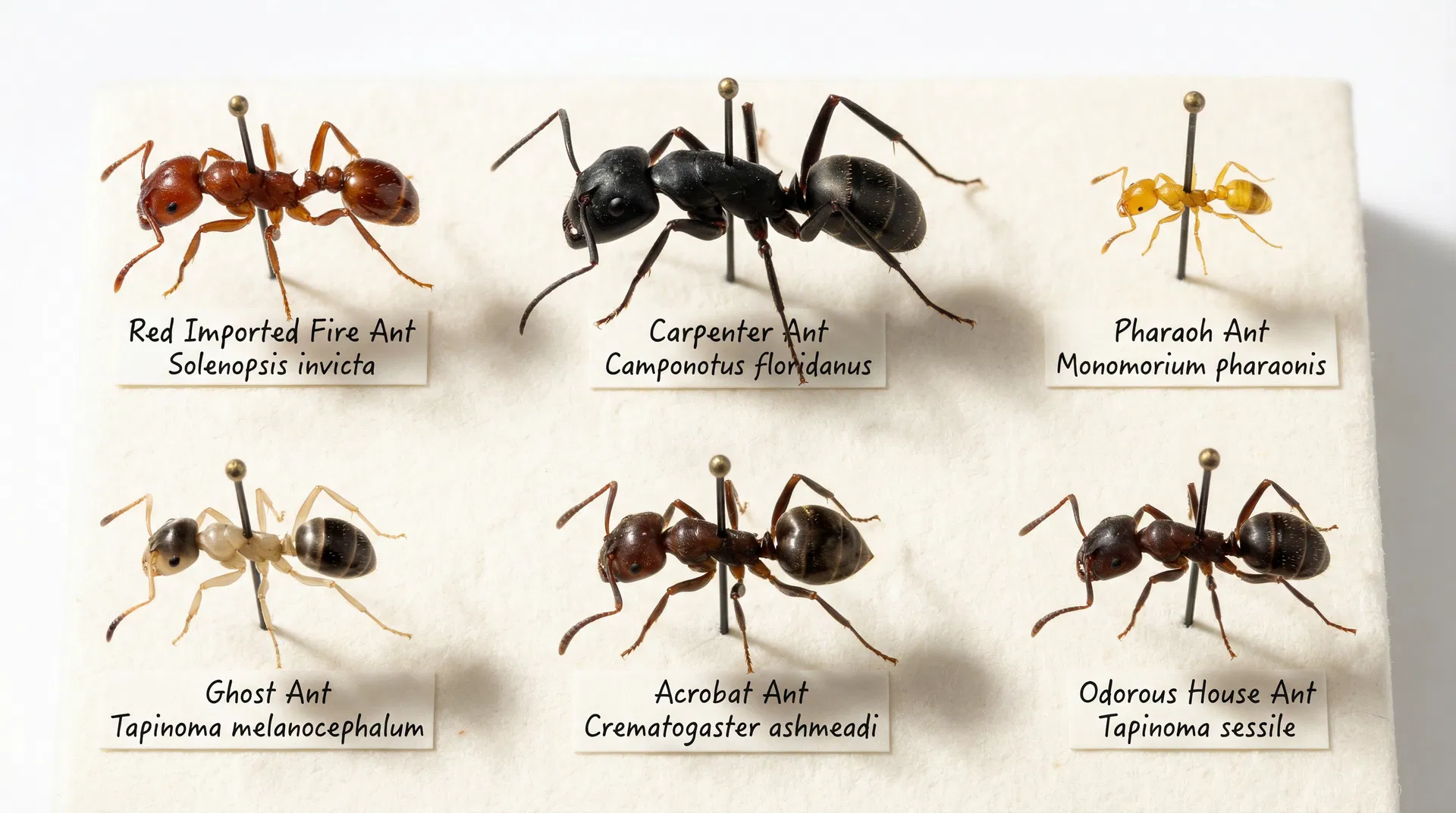
Introduction to South Florida Ants
South Florida's warm, humid climate creates an ideal environment for numerous ant species. Unlike temperate regions, Florida experiences year-round ant activity, making pest control a constant concern for homeowners and businesses. Understanding the specific species in your area is crucial for effective prevention and treatment. This comprehensive guide covers the most important ant species you're likely to encounter in South Florida.
1. Red Imported Fire Ants (Solenopsis invicta)
Red imported fire ants are among the most aggressive and problematic ant species in South Florida. Originally native to South America, they were accidentally introduced to the United States in the 1930s and have since become widespread throughout Florida. These ants are highly territorial and will attack anything that threatens their nest, delivering painful stings that can cause severe allergic reactions in sensitive individuals.
Fire ants build distinctive mound nests in soil, typically 12-24 inches tall, though they can also nest in wood structures, wall voids, and electrical equipment. A single colony can contain hundreds of thousands of workers. The ants are reddish-brown in color and measure about 2-6mm in length. What makes fire ants particularly dangerous is their venom, which causes a burning sensation and can lead to pustules that last for days.
Prevention strategies include removing potential nesting sites, keeping grass short, and maintaining proper drainage around your property. Professional treatment often involves baiting systems that allow workers to carry poison back to the colony, ensuring complete elimination.
2. Carpenter Ants (Camponotus species)
Carpenter ants are large ants (6-13mm) that can cause significant structural damage to homes and buildings. Unlike termites, carpenter ants don't eat wood—they excavate galleries to create nesting sites. Over time, this can weaken wooden structures, beams, and support systems. In South Florida, several carpenter ant species are common, with the black carpenter ant (Camponotus pennsylvanicus) being the most prevalent.
These ants are typically nocturnal and most active during warmer months. They prefer moist wood, so areas with water damage, leaks, or poor drainage are particularly vulnerable. Signs of carpenter ant infestation include sawdust-like debris (frass) near wooden structures, hollow-sounding wood, and visible ant trails at night.
Prevention focuses on moisture control and eliminating wood-to-soil contact. Regular inspections of wooden structures, especially around windows, doors, and roof lines, can catch infestations early. Professional pest control specialists use a combination of baiting and targeted treatments to eliminate carpenter ant colonies before they cause extensive damage.
3. Pharaoh Ants (Monomorium pharaonis)
Pharaoh ants are tiny (1-2mm) but extremely problematic pests in South Florida. These ants are attracted to sweet foods, oils, and proteins, making kitchens and dining areas prime targets. What makes pharaoh ants particularly challenging is their ability to form multiple queens and split colonies, a behavior called budding. When threatened or treated with certain pesticides, a colony can fragment into dozens of smaller colonies, actually worsening the infestation.
Pharaoh ants create shallow nests in wall voids, under appliances, and in other protected areas. They're also known to contaminate food and can spread bacteria and pathogens. In hospitals and food service establishments, pharaoh ants are considered a serious health hazard.
Control of pharaoh ants requires specialized knowledge and patience. Traditional spray treatments often trigger budding, making the problem worse. Professional pest control specialists use slow-acting baits that allow workers to distribute poison throughout the colony before the queen dies. Multiple treatments over several weeks are typically necessary for complete elimination.
4. Ghost Ants (Tapinoma melanocephalum)
Ghost ants are named for their pale, translucent bodies and their ability to seemingly disappear. These tiny ants (1-2mm) are common household pests in South Florida, particularly in kitchens and bathrooms where moisture is present. They're attracted to both sweet and protein-based foods and can establish nests both indoors and outdoors.
One of the most frustrating aspects of ghost ant infestations is their tendency to move their nests frequently, sometimes multiple times per day. This behavior makes them difficult to locate and treat. They create visible trails along walls and floors as they forage for food, and their presence in large numbers can be unsettling for homeowners.
Management of ghost ants involves eliminating food sources, reducing moisture, and using targeted baiting systems. Professional treatments often require multiple applications and careful monitoring to ensure complete eradication.
5. Acrobat Ants (Crematogaster species)
Acrobat ants get their name from their distinctive behavior of raising their abdomen over their head when alarmed, resembling an acrobat in a handstand. These ants (2-3mm) are common in South Florida and can be found both indoors and outdoors. They're attracted to sweet foods and honeydew produced by aphids and scale insects.
Acrobat ants typically nest in wood, particularly in areas with moisture damage or decay. They can establish colonies in dead tree branches, wooden structures, and wall voids. While they don't cause structural damage like carpenter ants, they can indicate underlying moisture problems that need attention.
These ants can deliver a painful sting and will defend their nest aggressively. Control involves identifying and treating the nest location, often in conjunction with addressing moisture issues and removing dead wood from the property.
6. Odorous House Ants (Tapinoma sessile)
Odorous house ants are common household pests in South Florida, named for the distinctive rotten coconut smell they produce when crushed. These small ants (2-3mm) are attracted to sweet foods and are often found trailing along walls and baseboards in kitchens and bathrooms.
What makes odorous house ants particularly problematic is their ability to establish multiple nesting sites and rapidly relocate when threatened. A single property can host dozens of satellite colonies. They're also known to farm aphids and scale insects on plants, protecting these pests to harvest their sweet honeydew.
Control of odorous house ants requires a comprehensive approach including baiting, sanitation, and addressing outdoor nesting sites. Professional pest control specialists often recommend treating both indoor and outdoor areas to prevent reinfestation.
Prevention Strategies for South Florida Homeowners
Preventing ant infestations is far more cost-effective than treating established colonies. Start by maintaining excellent sanitation practices: clean up food spills immediately, don't leave pet food out overnight, and store food in sealed containers. Eliminate moisture sources by fixing leaks, ensuring proper drainage, and reducing humidity levels in your home.
Sealing entry points is another crucial step. Caulk cracks and crevices around windows, doors, and utility penetrations. Trim vegetation away from your home's exterior, as plants can serve as highways for ants to reach your roof and walls. Remove dead wood, stumps, and debris from your property, as these provide ideal nesting sites.
Outdoor management includes maintaining your landscape to reduce moisture, avoiding mulch against your home's foundation, and keeping gutters clean and functioning properly. Consider using ant baits in outdoor areas during warm months to prevent colonies from establishing near your home.
Professional Ant Control in South Florida
While DIY treatments can provide temporary relief, professional pest control offers several advantages. Trained specialists can accurately identify ant species, locate nesting sites, and implement targeted treatment strategies. They have access to professional-grade baits and treatments not available to consumers, and they understand the behavioral patterns of different species.
At Harpoon Pro, our monthly pest control plans include comprehensive ant management. We conduct thorough inspections to identify species and nesting locations, apply appropriate treatments, and monitor your property to ensure complete elimination. Our technicians stay current with the latest pest control techniques and can address specific concerns related to your property.
Regular preventive treatments are often more effective and economical than waiting for an infestation to develop. Our monthly inspections catch ant problems early, before they become established and difficult to control.
When to Call a Professional
Contact a professional pest control service if you notice large numbers of ants in your home, especially if they appear to be nesting indoors. If you suspect carpenter ants, immediate professional assessment is important to prevent structural damage. If DIY treatments haven't resolved the problem after two weeks, professional intervention is warranted.
Also seek professional help if you have a fire ant infestation, as these ants pose health risks and are difficult to eliminate without proper equipment and expertise. If you have multiple ant species on your property, professional identification and treatment planning is essential for effective control.